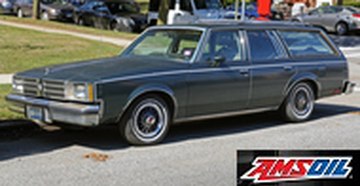
Maintaining Lubrication Standards for the 1981 Oldsmobile CUSTOM CRUISER 5.7L Diesel
Owning a diesel-powered vehicle from the early 1980s requires a specific approach to routine maintenance and fluid management. The 1981 Oldsmobile CUSTOM CRUISER, equipped with a 5.7L diesel engine, relies on consistent lubrication practices to ensure long-term operational stability. Because diesel engines operate under different thermal and mechanical stresses than gasoline counterparts, paying close attention to the condition of your engine oil is a fundamental part of responsible ownership.
Monitoring Fluid Condition and Potential Leaks
A proactive approach to maintenance involves regular visual inspections of the engine bay. For an older vehicle, checking for signs of fluid seepage is a practical way to identify issues before they escalate. When inspecting the engine area, look for any evidence of oil appearing on the exterior of the engine block or around various sealing surfaces. If you notice wetness or residue in these areas, it may indicate that a gasket or seal is beginning to age.
It is also useful to monitor the appearance of the lubricant itself. While some level of darkening is expected in diesel engines due to the nature of their combustion process, any sudden or drastic changes in the texture or color of the oil should be investigated. If the oil appears excessively thick, gritty, or contains visible particulates, this warrants a thorough inspection to determine the cause. Furthermore, if you notice an unusual amount of lubricant being consumed between service intervals, it is important to track these levels closely to maintain proper engine protection.
Prioritizing Maintenance Based on Current Condition
When managing the upkeep of a 1981 Oldsmobile CUSTOM CRUISER, it is often more effective to prioritize tasks based on the actual state of the vehicle rather than relying solely on its age. If you are stepping into ownership without a complete service history, establishing a maintenance baseline is an excellent first step. This involves performing a comprehensive inspection of all fluids and accessible components to understand the current health of the engine.
If maintenance records are incomplete or unavailable, focus your attention on addressing any active signs of wear or aging materials. For example, if you observe evidence of weeping from a connection or notice that certain rubber components, such as hoses (if present), appear brittle or cracked, these should be addressed early. Distinguishing between necessary repairs and unnecessary parts replacement allows for more efficient ownership. By focusing on documented service history and the physical condition of the vehicle, you can create a customized maintenance plan that addresses the specific needs of your 5.7L diesel engine.
Observing Potential Operational Changes
Maintaining awareness of how the vehicle behaves during operation is a key component of long-term care. While many mechanical issues do not present immediate warning signs, certain changes in performance or sound can be useful indicators that something requires attention. For instance, unusual mechanical noises that were not previously present should be investigated promptly. Similarly, if you notice any changes in exhaust characteristics, such as unexpected smoke, it may indicate a need for further diagnostic inspection.
It is important to remember that many symptoms can have multiple underlying causes. A change in engine sound or a new odor might be related to various components, ranging from simple external leaks to more complex internal matters. Rather than attempting to diagnose a specific component based on a single symptom, use these observations as prompts to perform a more detailed inspection of the engine and its surrounding systems.
The Role of Consistent Lubrication Management
Engine oil performs several vital roles that are essential for the continued operation of the 5.7L diesel engine. Beyond basic lubrication, the oil helps manage the thermal environment within the engine by absorbing and transporting heat away from critical areas. It also serves as a medium to carry away microscopic debris and contaminants, preventing them from accumulating in sensitive areas of the engine architecture.
Maintaining high oil quality is essential for managing these tasks effectively. Over time, the chemical properties of the lubricant can change due to thermal stress and exposure to combustion byproducts. This degradation can lead to the formation of deposits or sludge if the oil is not changed according to a regular schedule. By ensuring that fresh, appropriate lubricant is used, you help maintain the engine's ability to reduce friction and manage heat efficiently.
Inspecting Age-Sensitive Components
As vehicles from this era age, certain components naturally become more susceptible to environmental and operational wear. When performing routine service, it is wise to inspect accessible belts (if equipped) for signs of deterioration such as cracking, glazing, or fraying. Similarly, checking the condition of electrical connections and wiring harnesses can help prevent intermittent issues caused by corrosion or heat-related brittleness.
If your vehicle is equipped with a cooling system, inspecting hoses for softness, swelling, or leaks is also a prudent measure. Ensuring that all fluid systems are intact and that there is no evidence of previous neglect—such as heavy buildup of grime or signs of improper past repairs—will help you maintain a more predictable service schedule. This condition-based inspection approach ensures that you are addressing the actual needs of your specific vehicle.
Practical Guidance for Buying Engine Oil for your 1981 Oldsmobile CUSTOM CRUISER 5.7L
When it is time to replenish your engine's lubricant, the most important step is to ensure the product matches the requirements of your specific application. Because different engines have unique needs regarding chemical composition and protection levels, you should always refer to the vehicle-specific oil viscosity and application information provided on this webpage before making a purchase.
When selecting a product, consider the following practical tips:
- Match Application Data: Always prioritize the viscosity and specifications listed in the technical data above to ensure compatibility with your 5.7L diesel engine.
- Evaluate Formulations: Depending on your specific needs and the current condition of your engine, you may choose between conventional, synthetic blend, or full synthetic oils. Some high-mileage formulations also include seal-conditioning additives that may be beneficial for older engines with aging gaskets.
- Verify Labeling: Before completing your purchase, double-check the product packaging to confirm it meets the necessary standards and matches the information you have identified for your vehicle.
- Avoid Assumptions: Do not rely on general automotive knowledge or assumptions based on the vehicle's age; always use the specific data provided for this 1981 Oldsmobile CUSTOM CRUISER to guide your selection.